Most households own thousands of dollars of stuff that sits idle nearly all the time. A driveway that’s empty from eight to six. A pressure washer used twice a year. A camping setup that goes out one weekend a summer. A spare room full of boxes. Every one of those is an asset that someone nearby would pay to borrow, and renting them out is one of the few side incomes that doesn’t require learning a new skill, building an audience, or trading more hours. You already did the hard part when you bought the thing. Now you just need to put it to work.
Start with the asset that’s worth the most per month
Not every idle possession is worth the trouble. Rank yours by how much they could earn per month with the least hassle, and start at the top. The usual order, from most valuable to least:
- A spare room or finished basement, rented long-term to a housemate or short-term to travelers.
- A driveway, garage, or parking space, especially near a downtown, a transit stop, a stadium, a hospital, or a college.
- Storage space: a garage bay, a shed, or a corner of the basement for someone’s boat, motorcycle, or boxes.
- Your car, when you’re not using it, through a peer-to-peer rental service.
- High-value, rarely used gear: power tools, ladders, a trailer, camping equipment, a good camera, party supplies like folding tables and chairs.
Space generally beats stuff because it earns every month with almost no handling, while gear requires coordinating pickups and returns each time.
Parking and storage: the easiest money on the list
If you live within walking distance of anywhere people struggle to park, your driveway may be worth more than you think, either as a monthly commuter spot or by the event. Several apps connect drivers with private spaces, or you can simply put a note on the neighborhood board. Storage works the same way: people with an RV, a boat, or a classic car often pay a meaningful monthly fee for a covered or fenced spot, and a clean, dry garage bay can rent for a surprising amount to someone between apartments.
For either, check two things before listing. Look at your lease or homeowners association rules for restrictions, and call your insurance company to ask what’s covered if someone else’s property is damaged on your premises. A short conversation now prevents a very expensive one later.
The spare room decision
A long-term housemate is the single largest amount most people can earn from what they already own, often enough to cover a big chunk of the mortgage or rent. It’s also the biggest lifestyle change. If you go this route, treat it like a business from the start: a written agreement, a security deposit, a clear split of utilities, and house rules on paper. Screen carefully, including references and a background check where legal, and never skip the written agreement because the person seems nice.
Short-term rentals earn more per night but demand more work and are increasingly regulated. Check your city’s rules on permits and taxes before you list, since some places restrict or ban them outright.
Renting out gear without it turning into a headache
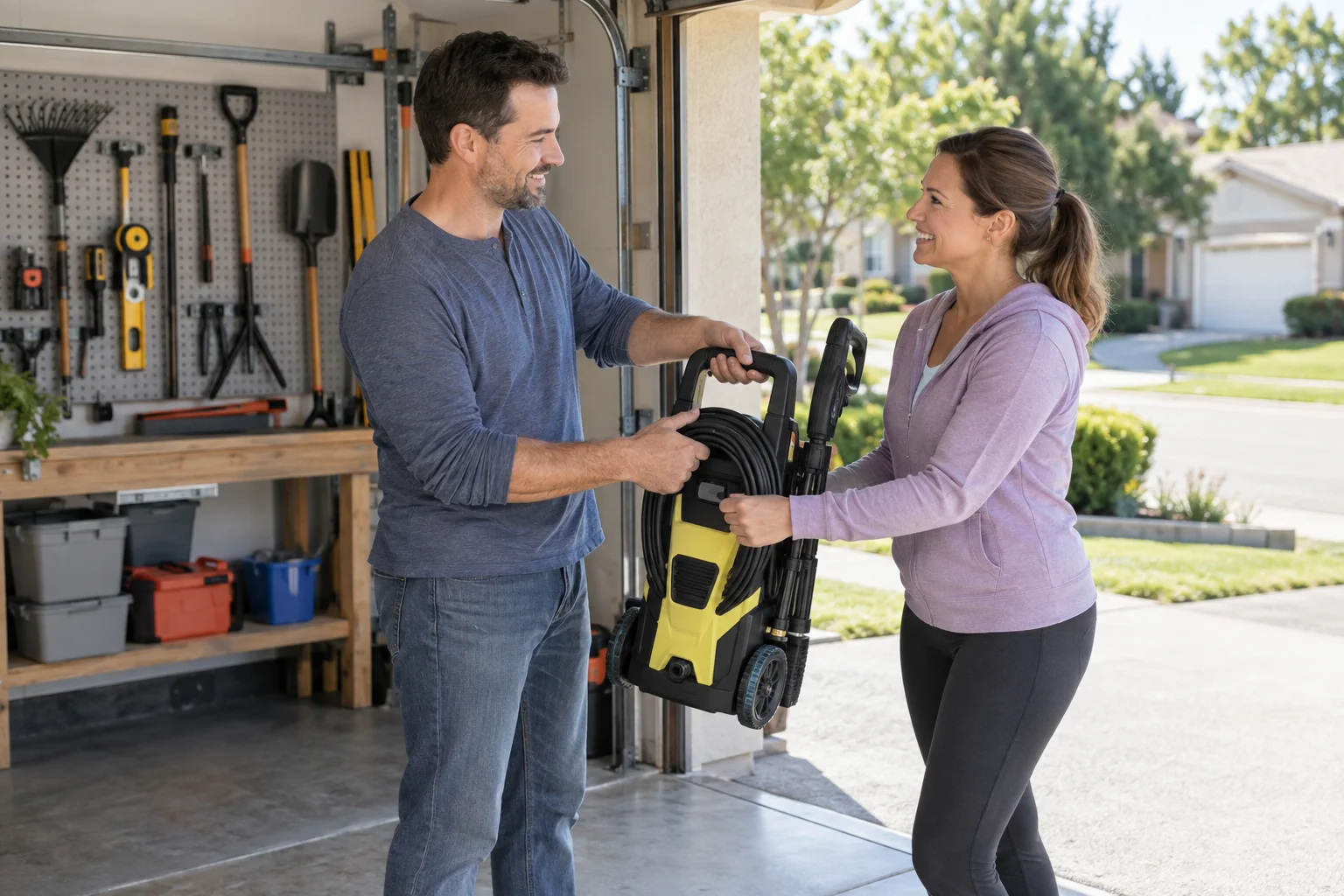
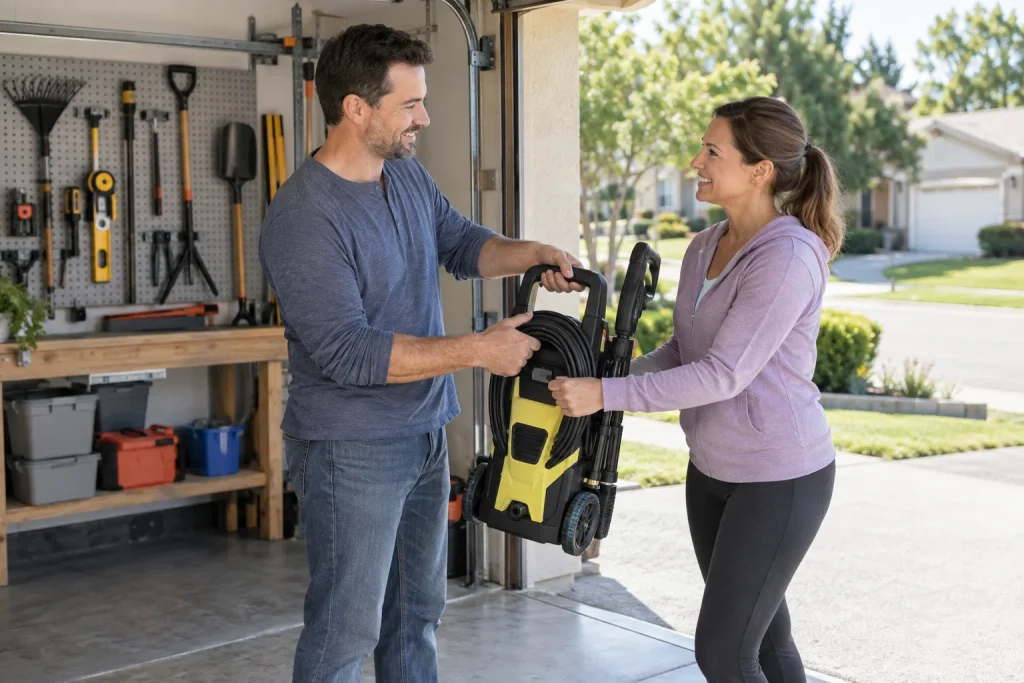
Peer-to-peer rental platforms exist for tools, cameras, outdoor gear, and more, and they handle payment and sometimes damage coverage. Local is often simpler: a post in the neighborhood group offering your pressure washer or your trailer for a daily rate. Whichever route, a few rules keep it painless. Photograph the item before and after each rental. Set a deposit that covers a realistic repair. Write a one-paragraph rental agreement with the rate, the return time, and who pays for damage, and have the renter text back “agreed” before pickup. Don’t rent anything you’d be devastated to lose.
Price it right
For space, look at what nearby commercial lots and storage facilities charge and price a bit below. For gear, a rough rule is a daily rate around five to ten percent of the replacement cost, with a weekly rate that’s a discount on that. If nobody bites in a couple of weeks, drop the price slightly; if you’re booked constantly, raise it. You’re looking for steady demand, not the highest possible number.
Handle the money side properly
Rental income is income. Keep a simple record of what you earn and what it costs you, since expenses like repairs, cleaning, and the platform’s fees may reduce what you owe in taxes. The rules for renting out part of your home have their own specifics, so look up the current guidance or ask a preparer before your first tax season with rental income. Set aside a percentage of everything as you go.
Start with one thing this month
Don’t try to list everything at once. Pick the single asset near the top of your list, spend one evening setting it up, and see what happens over thirty days. A driveway that earns a couple hundred dollars a month is a car insurance premium paid for by doing nothing. Once the first one is running quietly, the second is much easier to add.