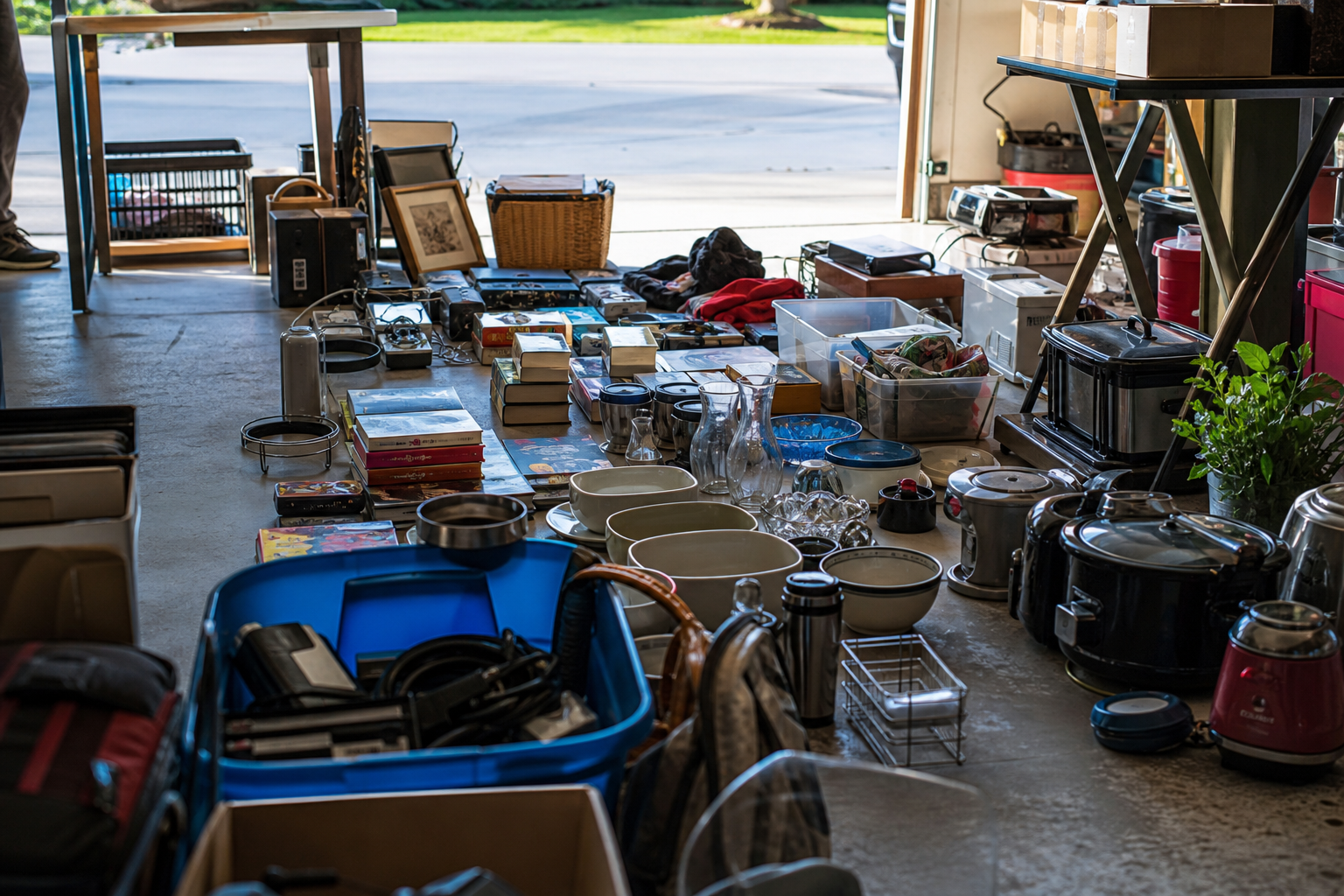
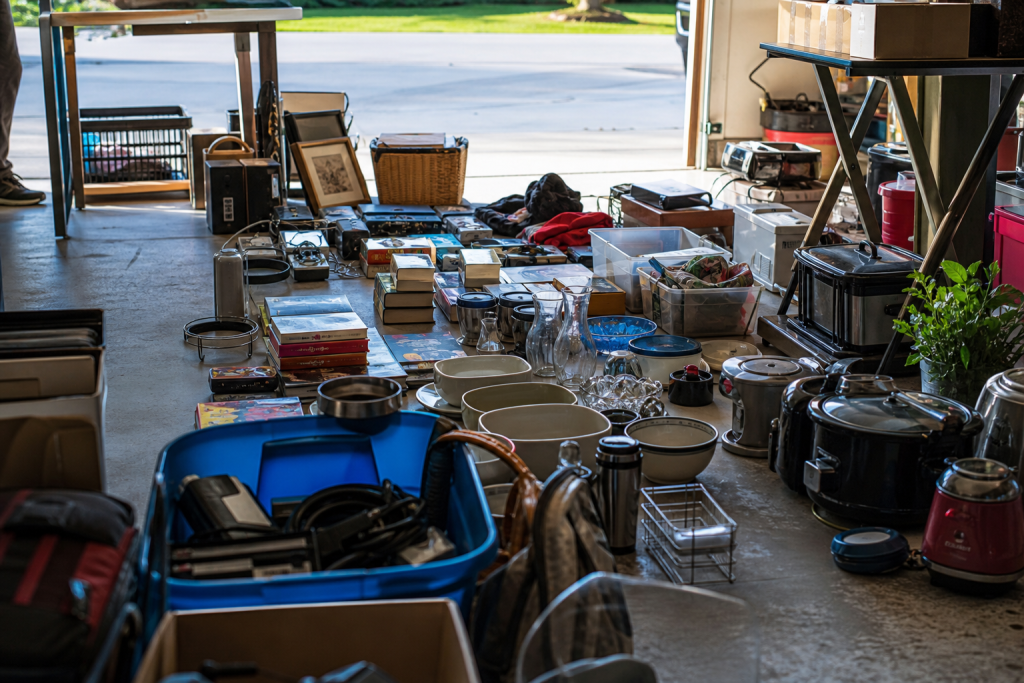
Decluttering advice always says the same thing: sell what you don’t need. What it rarely says is that not everything is worth the effort of selling, and figuring out which items clear that bar — and which platform to use for each — is where the real money is made or wasted.
The hourly rate test
Before listing anything, run a quick mental calculation: estimated sale price, minus platform fees, minus shipping cost if applicable, divided by the total time it’ll take to photograph, list, message buyers, and package. An old $15 phone charger that takes 20 minutes of total effort nets you $45/hour if it sells at full price — genuinely worth it. A used bookshelf that might sell for $40 after a full afternoon of listing, negotiating, and coordinating pickup, works out closer to $10-13/hour once you account for the back-and-forth. Neither answer is wrong, but knowing the real hourly rate before you start tells you where to spend your limited selling time.
Matching the item to the right platform
Different categories genuinely perform better on different platforms, and picking wrong costs you real money in fees or time. Facebook Marketplace and OfferUp work best for furniture, large items, and anything local where you want to avoid shipping — no listing fees, and cash-in-hand local pickup. eBay is strongest for collectibles, electronics, and anything with a specific model number buyers search for directly, though it charges roughly 13% in combined fees plus payment processing. Poshmark and ThredUp suit clothing specifically, with Poshmark’s 20% commission on sales over $15 offset by significantly higher clothing-specific buyer traffic than general marketplaces. Specialty items — musical instruments, camera gear, tools — often do better on dedicated forums or Facebook groups for that hobby, where buyers already understand the value and won’t lowball as aggressively.
The shipping cost trap
A surprisingly common mistake: pricing an item based only on what you think it’s worth, without factoring shipping. A $25 item that costs $9 to ship in a small box eats over a third of your revenue before fees. Weigh and measure anything you’re planning to ship before listing, get an actual shipping quote, and either build that cost into your price or offer it as a separate “buyer pays shipping” line — both are standard practice and buyers expect to see one or the other clearly stated.
Writing a listing that actually sells instead of sitting
Two listings of the identical item routinely sell at different prices and different speeds based on nothing but presentation. Photograph items in natural daylight against a plain background — a listing with a clear, well-lit photo taken near a window typically outperforms the same item shot under yellow indoor lighting, even before a buyer reads a single word of the description. Lead the title with the specific, searchable facts a buyer would type into the search bar — brand, size, model number, color — rather than a vague description, since most marketplace search functions weight title-matching heavily. In the description, disclose flaws upfront rather than letting a buyer discover them after asking; “small scuff on the left leg, doesn’t affect function” builds more trust and generates fewer lowball offers than silence followed by a buyer noticing it in a photo and assuming the worst. Items priced 10-15% below the average of three comparable active listings tend to sell within the first week rather than sitting for a month, which matters more than it sounds once you factor the hourly rate test back in — a fast sale at a slightly lower price often beats a slow sale at a slightly higher one.
Bundling low-value items instead of listing them individually
Individual items worth less than about $10 rarely justify a separate listing — the time cost of photographing and writing a description eats most of the margin. Instead, bundle them: “kids’ book lot, 15 books, $20” performs far better time-for-money than fifteen separate $2 listings, each requiring its own photo and message thread. This is especially true for kids’ toys, books, and craft supplies, categories where buyers are often specifically looking for lots rather than singles.
When it’s genuinely faster to donate
Not everything clears the hourly rate bar, and that’s fine — donation is a legitimate choice, not a failure to monetize. Items likely to sell for under $10 individually, anything requiring significant repair or cleaning before it’s sellable, or anything you’d need to hold for weeks waiting for the right buyer are usually better donated. You can still capture some value: keep receipts for donations to a registered charity, since itemized clothing and household goods donations are tax-deductible if you itemize deductions, typically valued at thrift-store resale prices (many donation centers provide a valuation guide).
Building a simple system instead of one-off selling
If you’re doing a real decluttering push, set up a simple staging system rather than listing items as you find them: a “to photograph” box, a weekly one-hour block dedicated entirely to listing everything collected that week, and a shared note with rough price targets for common categories so you’re not re-researching value every time. Batching this way turns selling from a constant background task into a contained weekly habit — and it’s the difference between actually finishing a decluttering project and having half-listed items sitting in boxes for six months.